Ostrich Fern
Ostrich Fern – The Bold, Architectural Fern That Thrives Where Others Won’t
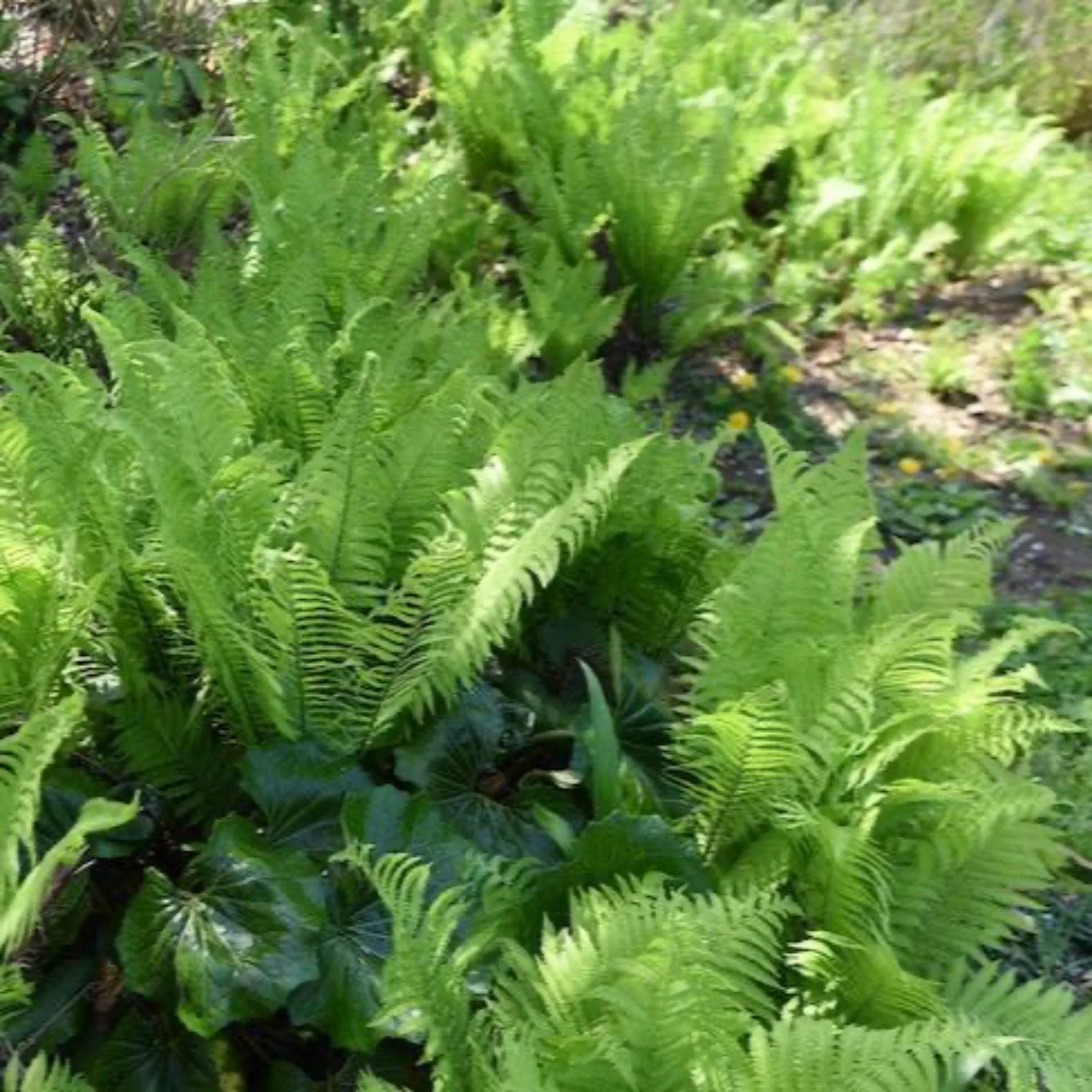
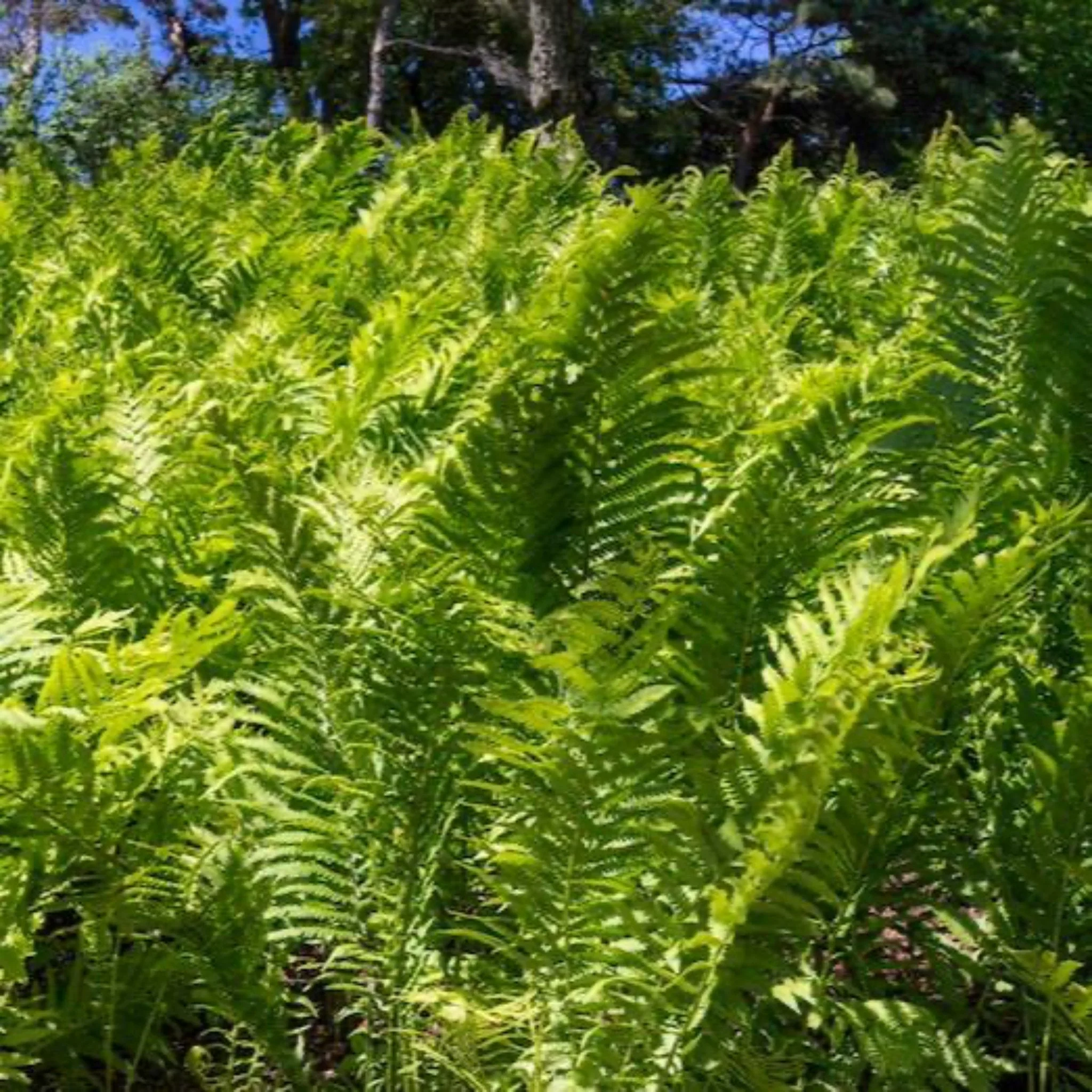
If you have a shady, moist corner of your garden that nothing seems to love, the Ostrich Fern (Matteuccia struthiopteris) was made for it. Named for the sweeping, plume-like fronds that can reach 4–5 feet tall, this native North American fern brings dramatic, lush texture to woodland gardens, shaded borders, pond edges, and rain gardens — and it comes back bigger and more magnificent every single year.
Why Gardeners Love Ostrich Fern
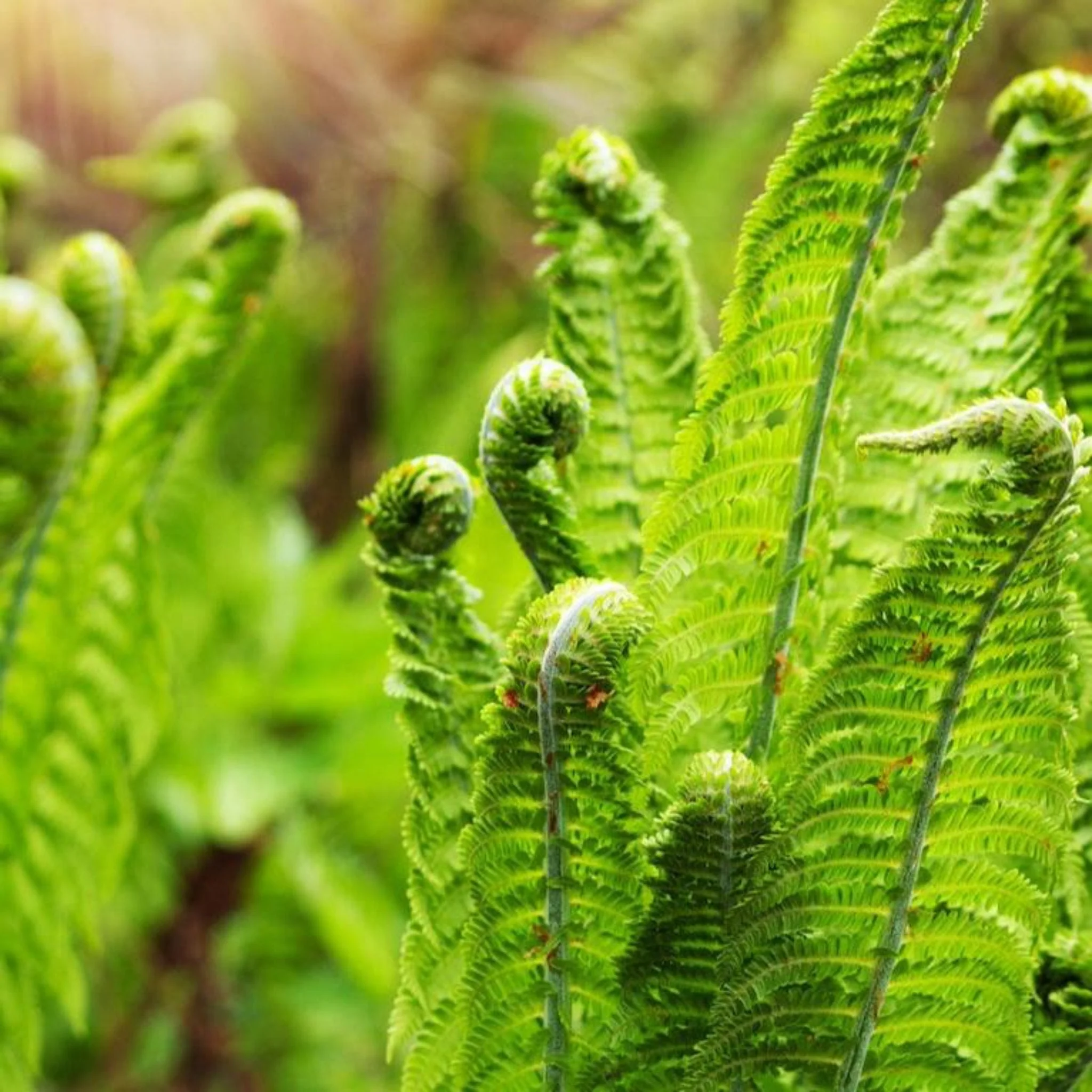
- Dramatic, vase-shaped form – Tall, arching fronds emerge in a graceful shuttlecock shape, creating bold vertical texture in shaded spaces.
- Thrives in deep shade – One of the few plants that genuinely flourishes in partial to full shade — perfect for north-facing beds and under tree canopies.
- Moisture-tolerant – Loves consistently moist to wet soil; ideal for rain gardens, pond edges, stream banks, and low-lying areas.
- Spreads naturally – Colonizes gradually via underground rhizomes, filling in shaded areas with a lush, naturalistic carpet over time.
- Extremely cold-hardy – Hardy to USDA zone 3; reliably perennial across most of North America.
- Native plant – Supports local ecosystems, provides habitat for beneficial insects, and requires no pesticides once established.
- Edible fiddleheads – The tightly coiled spring fiddleheads are a prized edible delicacy — harvest a few each spring before they unfurl for a taste of the forest.
Where to Plant
- Woodland and shade gardens as a bold textural anchor
- Pond, stream, and rain garden edges where moisture is consistent
- Shaded borders beneath deciduous trees
- Naturalized areas where it can spread freely for a lush ground cover effect
- Containers on shaded patios or balconies — keep consistently moist
Picture a shaded garden path in midsummer — tall, arching fern fronds creating a cool green tunnel overhead, the air noticeably cooler and quieter beneath them. That’s the Ostrich Fern at its best — transforming a problem spot into the most serene corner of your garden.
Growing Guide
- Zones: USDA 3–8
- Light: Partial to full shade; avoid direct afternoon sun which scorches fronds
- Water: Keep soil consistently moist; does not tolerate drought. Mulch heavily to retain moisture.
- Soil: Rich, humus-rich, consistently moist to wet soil; tolerates clay
- Spread: Spreads via rhizomes; divide clumps every 3–4 years to control spread or propagate new plants
- Mature size: 3–5 ft. tall, 2–3 ft. wide per clump (spreads wider over time)
- Maintenance: Cut back old fronds in late winter before new fiddleheads emerge in spring
The Classic Shade Garden Companion
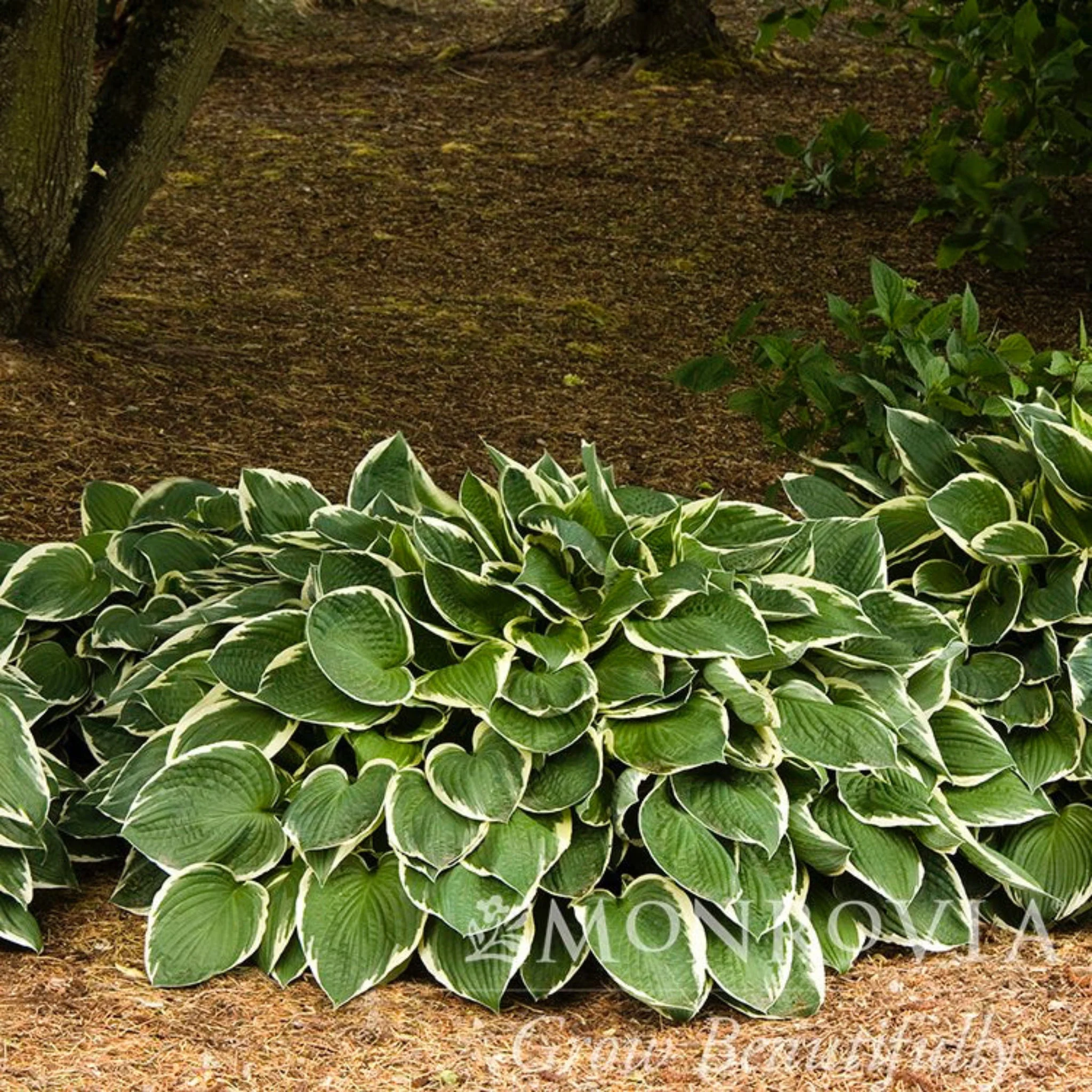
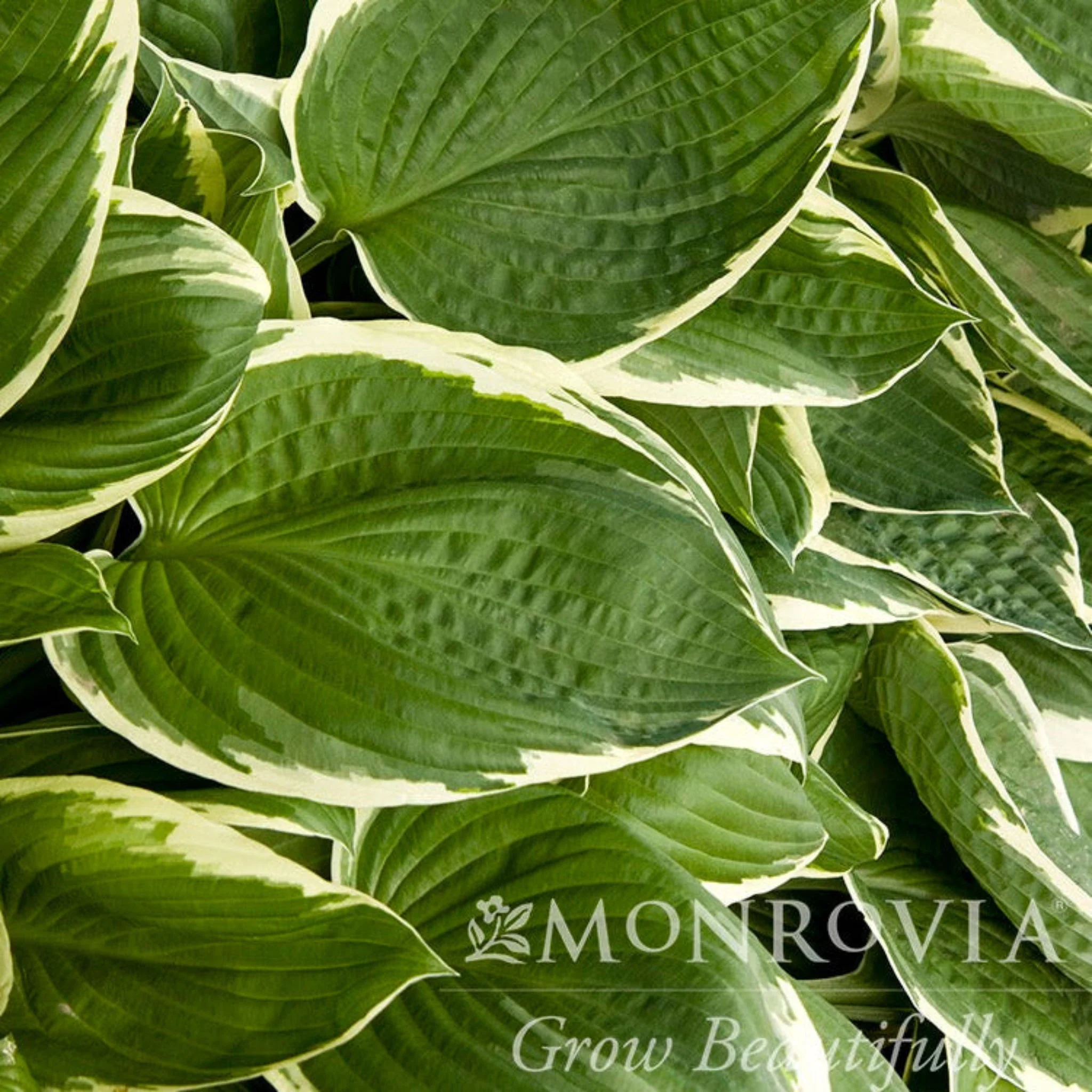
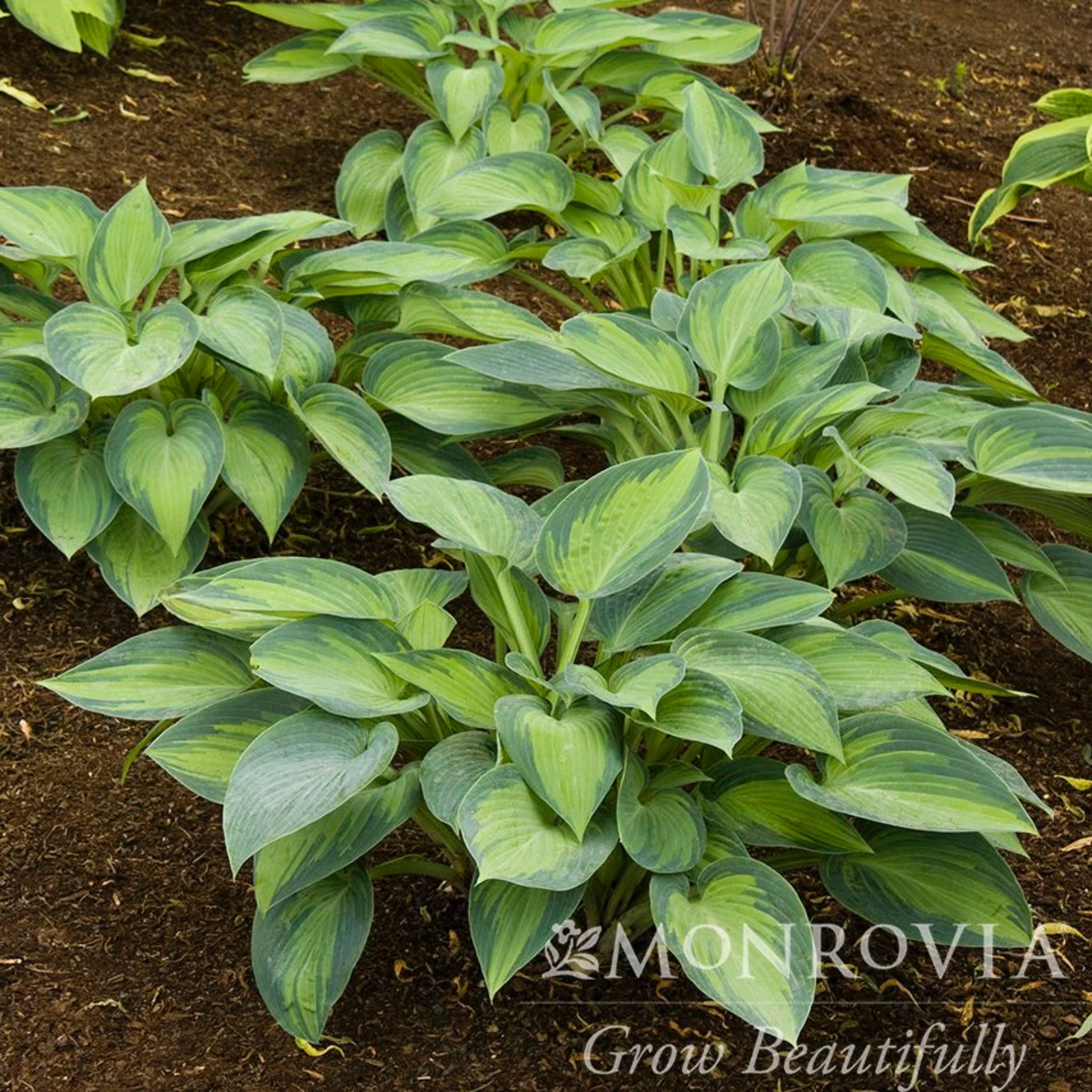
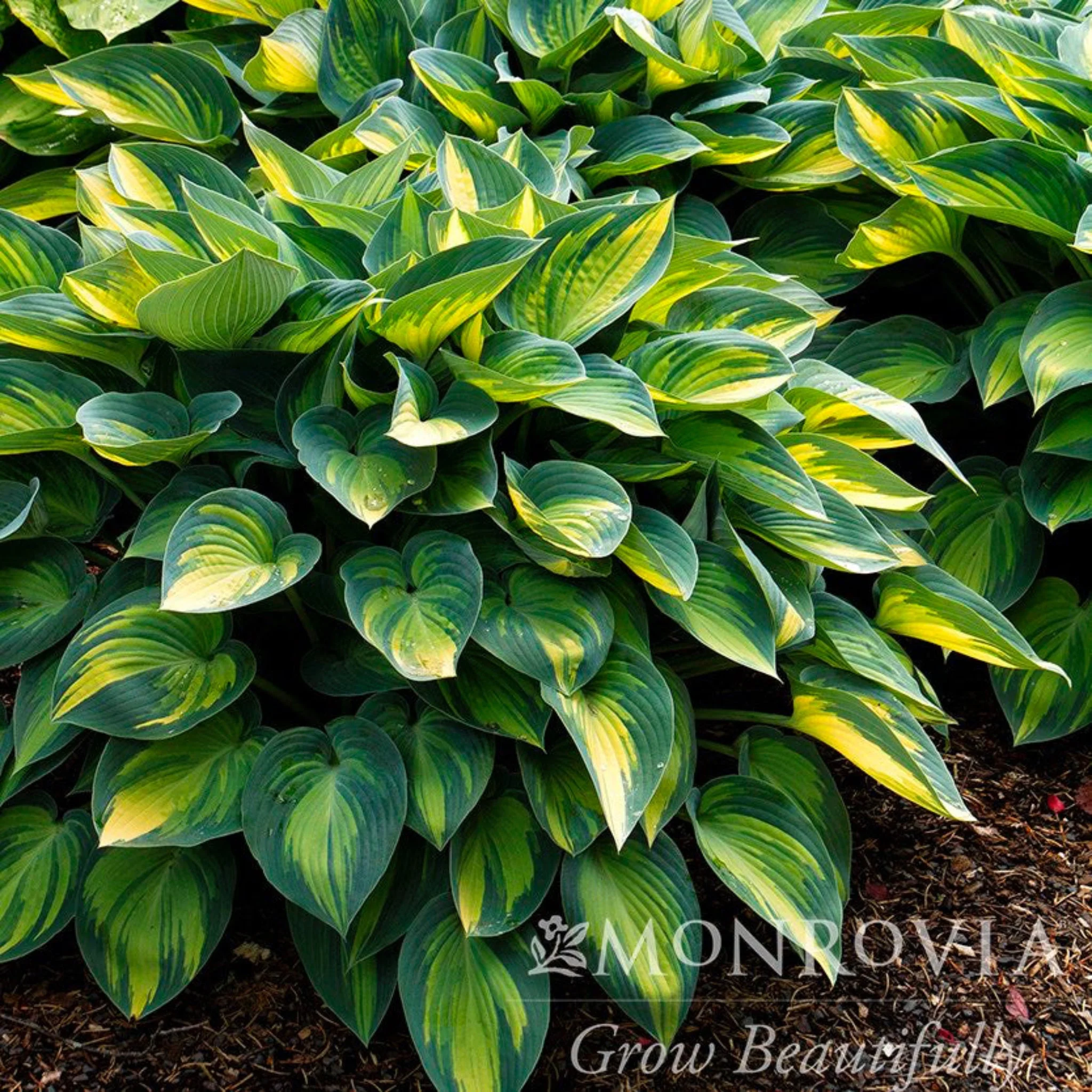
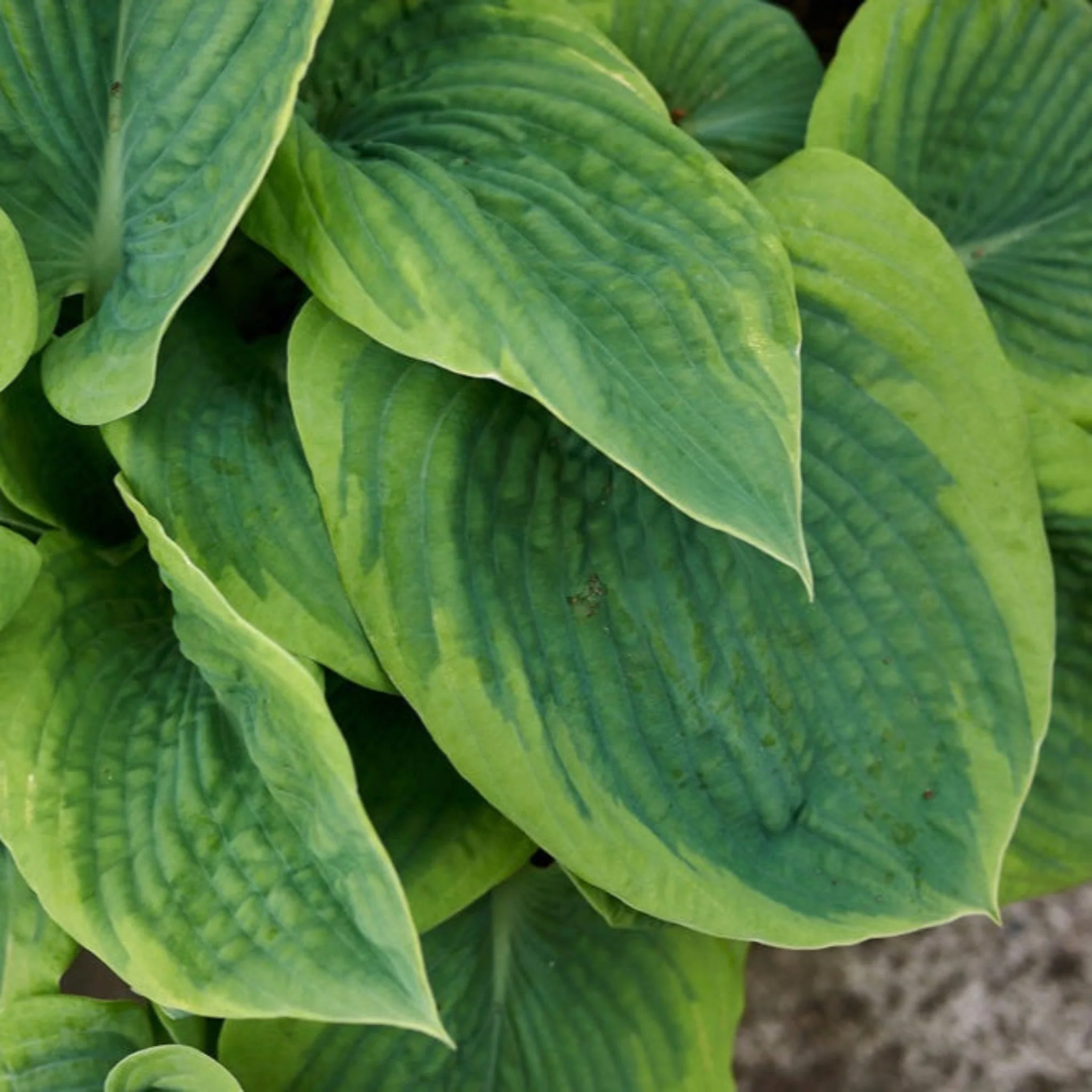
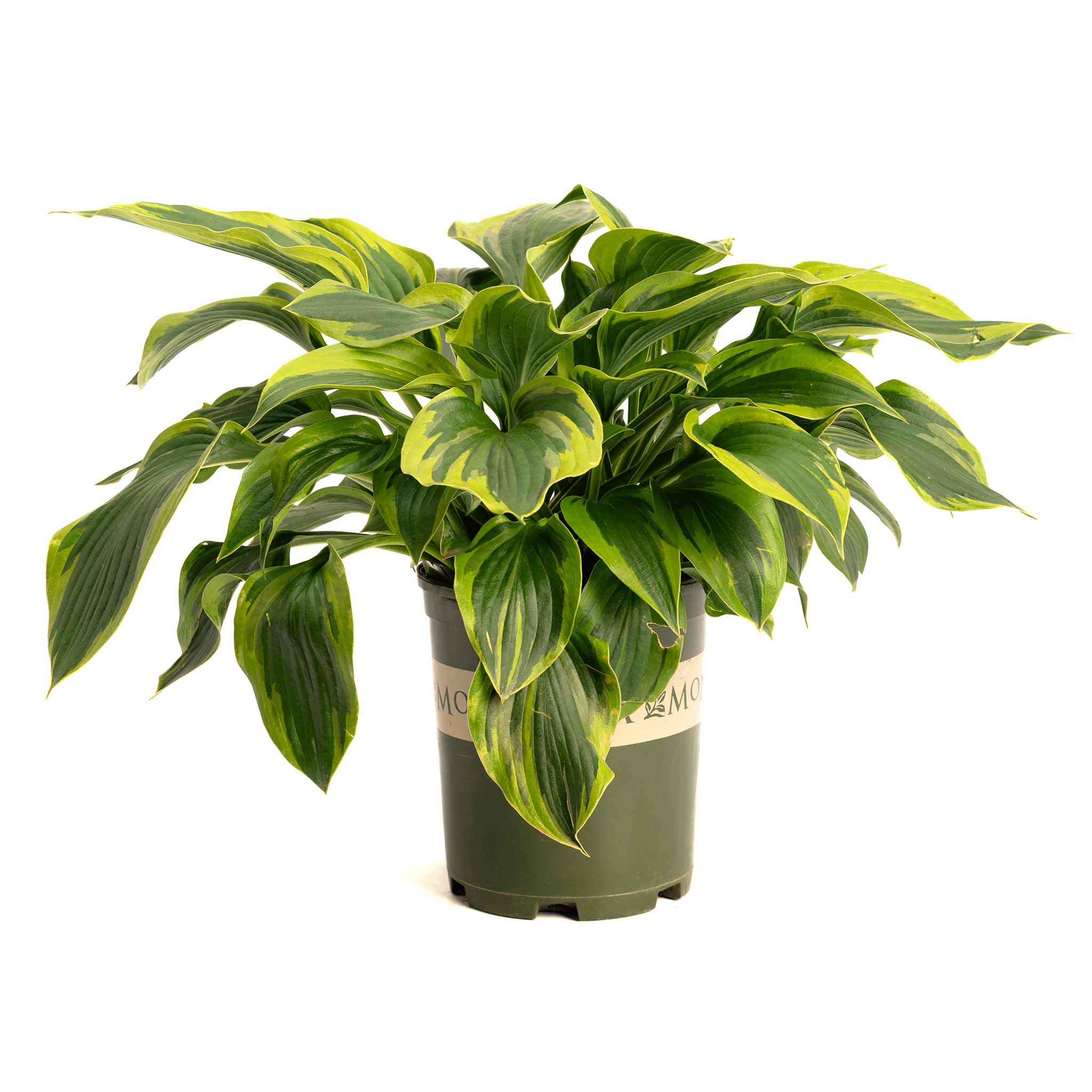
Ostrich Fern pairs beautifully with hostas for a layered, textural shade garden. Check out the June Hosta — an award-winning variety with stunning blue-gold variegated foliage that contrasts perfectly with the Ostrich Fern’s bold green fronds.
Original: $49.95
-65%$49.95
$17.48Product Information
Product Information
Shipping & Returns
Shipping & Returns
Description
Ostrich Fern – The Bold, Architectural Fern That Thrives Where Others Won’t
If you have a shady, moist corner of your garden that nothing seems to love, the Ostrich Fern (Matteuccia struthiopteris) was made for it. Named for the sweeping, plume-like fronds that can reach 4–5 feet tall, this native North American fern brings dramatic, lush texture to woodland gardens, shaded borders, pond edges, and rain gardens — and it comes back bigger and more magnificent every single year.
Why Gardeners Love Ostrich Fern
- Dramatic, vase-shaped form – Tall, arching fronds emerge in a graceful shuttlecock shape, creating bold vertical texture in shaded spaces.
- Thrives in deep shade – One of the few plants that genuinely flourishes in partial to full shade — perfect for north-facing beds and under tree canopies.
- Moisture-tolerant – Loves consistently moist to wet soil; ideal for rain gardens, pond edges, stream banks, and low-lying areas.
- Spreads naturally – Colonizes gradually via underground rhizomes, filling in shaded areas with a lush, naturalistic carpet over time.
- Extremely cold-hardy – Hardy to USDA zone 3; reliably perennial across most of North America.
- Native plant – Supports local ecosystems, provides habitat for beneficial insects, and requires no pesticides once established.
- Edible fiddleheads – The tightly coiled spring fiddleheads are a prized edible delicacy — harvest a few each spring before they unfurl for a taste of the forest.
Where to Plant
- Woodland and shade gardens as a bold textural anchor
- Pond, stream, and rain garden edges where moisture is consistent
- Shaded borders beneath deciduous trees
- Naturalized areas where it can spread freely for a lush ground cover effect
- Containers on shaded patios or balconies — keep consistently moist
Picture a shaded garden path in midsummer — tall, arching fern fronds creating a cool green tunnel overhead, the air noticeably cooler and quieter beneath them. That’s the Ostrich Fern at its best — transforming a problem spot into the most serene corner of your garden.
Growing Guide
- Zones: USDA 3–8
- Light: Partial to full shade; avoid direct afternoon sun which scorches fronds
- Water: Keep soil consistently moist; does not tolerate drought. Mulch heavily to retain moisture.
- Soil: Rich, humus-rich, consistently moist to wet soil; tolerates clay
- Spread: Spreads via rhizomes; divide clumps every 3–4 years to control spread or propagate new plants
- Mature size: 3–5 ft. tall, 2–3 ft. wide per clump (spreads wider over time)
- Maintenance: Cut back old fronds in late winter before new fiddleheads emerge in spring
The Classic Shade Garden Companion
Ostrich Fern pairs beautifully with hostas for a layered, textural shade garden. Check out the June Hosta — an award-winning variety with stunning blue-gold variegated foliage that contrasts perfectly with the Ostrich Fern’s bold green fronds.